
Reception and Legacy
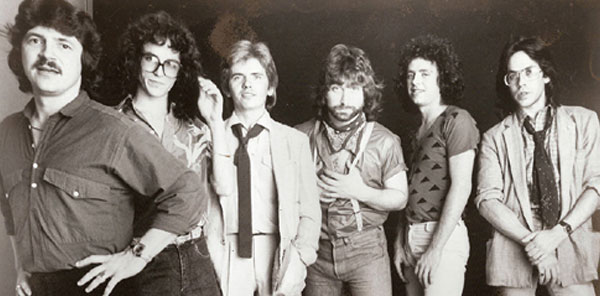

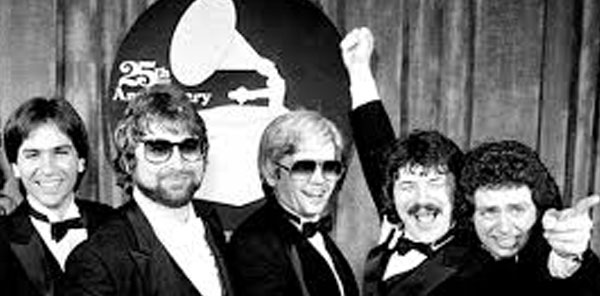

The song was popular upon its release, hitting number one on the Billboard Hot 100 in February 1983, and also reaching the top 10 in many other worldwide record charts.
The song has continued to be a popular soft-rock classic up to the 21st century. Cash Box called it an “image-filled package of pop exotica with its gently tropical synth and marimba.” Billboard called it an “evocative number” that should return the group to the top 10 on the Billboard Hot 100 after the weaker single “Make Believe”.
Classic Rock History critic Brian Kachejian rated it as Toto’s 5th greatest song. In 2021, it was listed at No. 452 on Rolling Stone’s “Top 500 Best Songs of All Time”, being acclaimed as a “yacht-rock touchstone” and receiving praise for its “instantly calming synthesizer riff” and “soaring chorus”. Breihan positively reviewed the song as part of a column reviewing each Billboard Hot 100 #1. Ultimately giving it an 8/10 rating, he noted the song’s “perfectly ridiculous act of hubris” in its “hackneyed, overwrought” lyrics comparing the ‘Africa’ depicted to Paich’s supposed yearning for a “normal life”, but acclaimed its complete lack of “self-consciousness” and confidence in its premise, lauding its “ultra-ridiculous synth-gloop” and “operatic” chorus.
Critic Carl Wilson comments on the song’s “perfect marriage of terrible and good”, with its acute musicality – he describes it as “well-played, well-sung, harmonically enticing, rhythmically enticing” – juxtaposed with a “completely incoherent text about Africa”.
The song’s inaccurate lyrical depiction of Africa, especially as seen from an otherwise-detached American perspective, has been commented on by various critics. Stereogum writer Vivek Maddala argues that “it’s not hard to view [the song] as an expression of a glib neo-colonial mentality” and a “Rudyard Kipling ‘White Man’s Burden’-type narrative”, especially with the lyrics being written in an “awkward, reductive way”, but nevertheless notes that Paich wrote it “from a benign (if naïve) standpoint”.
Michael Hann of the Financial Times claims that the lyrics are “filled with false nostalgia and riddled with errors”, referencing the unrealistic line “as sure as Kilimanjaro rises like Olympus above the Serengeti”, and even refers to the marimba and “cod-African solos” which might also be perceived as cultural appropriation. He nonetheless acknowledges that the lyrics still come off as “romantic and yearning”, and the latter musical aspects form “part of its period charm”.